Health and Safety Policy for Carpet Cleaners TW13
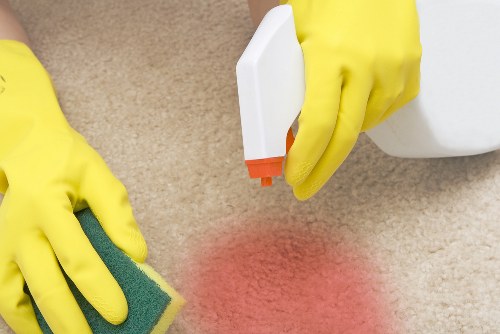 This health and safety policy sets out the standards expected from carpet cleaners TW13 when carrying out professional cleaning services in homes, workplaces, and shared properties. It is designed to protect staff, clients, visitors, and any other person who may be affected by cleaning activities. The policy applies to all stages of work, including preparation, cleaning, drying, waste handling, and equipment storage. Our aim is to deliver a safe, consistent, and careful service that reduces risk while maintaining a high standard of results.
Carpet cleaning can involve electrical equipment, cleaning chemicals, water extraction, manual lifting, and movement around slippery surfaces. Because of this, every job must be planned with safety in mind. Carpet cleaning professionals are expected to assess the working area before starting, identify hazards, and take suitable control measures. This includes checking for trip hazards, fragile items, poor ventilation, limited access, and the presence of children, pets, or vulnerable individuals. A safe approach benefits everyone and supports reliable service delivery.
 All carpet cleaners must follow safe working practices at all times, including the correct use of machinery, hoses, cords, and accessories. Equipment should be inspected before use to confirm that it is clean, functional, and free from visible damage. Faulty tools must be removed from service immediately. Operators should use only appropriate cleaning solutions, follow dilution instructions carefully, and avoid mixing products unless the manufacturer specifically allows it. Good housekeeping is essential, and work areas should be kept as orderly as possible during the job.
Training is a key part of this policy. Every member of staff should understand the risks associated with carpet and upholstery cleaning, along with the correct methods for managing them. This includes instruction on manual handling, safe chemical use, electrical awareness, and emergency response. Supervisors should ensure that workers are competent to perform assigned tasks and that they receive refresher training where needed. New or less experienced workers should be supported until they can demonstrate safe practice independently.
The use of cleaning chemicals must always be controlled. Products should be labelled clearly and stored securely when not in use. Where possible, low-risk and environmentally considerate products should be selected, provided they are effective for the task. Operators must wear suitable personal protective equipment when required, such as gloves, eye protection, and protective footwear. If a spill occurs, it should be dealt with promptly to prevent slips, surface damage, or exposure. Any irritation, allergic reaction, or accidental contact with chemicals must be reported without delay.
 Water extraction and drying processes can create slip hazards, so carpet cleaners TW13 must keep floors safe for occupants and workers. Warning signs should be used where appropriate, and access to wet areas should be restricted until surfaces are dry or safe to walk on. Hoses and cables must be positioned to reduce trip risks, and care should be taken when moving furniture or working in confined spaces. If any area becomes unsafe, work should pause until the hazard is controlled. Clear communication with the client is important throughout the process.
Manual handling must be carried out with care, especially when moving equipment, water containers, or furniture. Workers should use correct lifting techniques and request help for heavy or awkward items. Repetitive strain can be reduced by planning tasks sensibly and using mechanical aids where practical. The safe handling of equipment is just as important as the cleaning itself, and no task should be rushed at the expense of safety. A steady and organised approach helps prevent injury and property damage.
Electrical safety is another major concern. All equipment should be tested, maintained, and used in line with manufacturer guidance. Leads should not be damaged, overloaded, or exposed to standing water. Plug sockets and cables should be kept clear of moisture wherever possible. If an electrical fault is suspected, the machine must be switched off and taken out of service immediately. Only trained personnel should use professional cleaning machines, and they must remain alert to changes in sound, performance, or heat during operation.
In the middle of service delivery, communication and supervision remain essential. Team leaders should monitor that all procedures are followed, particularly where work takes place near residents, employees, or the public. Workers should stop and reassess the job if conditions change, such as unexpected weather, increased foot traffic, or a newly identified hazard. A strong safety culture depends on openness, prompt reporting, and the willingness to correct unsafe conditions before they lead to harm.
Emergency procedures must be understood by all staff. In the event of injury, chemical exposure, fire, electrical failure, or another serious incident, work should stop immediately and appropriate action should be taken. First aid arrangements, incident reporting, and escalation procedures should be clear and accessible. Any accident, near miss, or unsafe condition should be recorded and reviewed so that lessons can be learned and future risk reduced. Regular checks and reviews help maintain high standards over time.
Clients and building occupants also have a role in supporting a safe working environment. They should be asked to remove fragile items, identify known hazards, and advise of any special access needs before cleaning begins. Where pets, children, or other vulnerable people are present, additional care should be taken to manage movement and exposure to equipment or cleaning agents. Respectful working practices, clear boundaries, and careful planning help ensure the service remains safe and efficient.
 Environmental responsibility is also part of safe practice. Cleaning products should be used efficiently to reduce waste, and any runoff or residue should be handled responsibly. Disposable materials should be separated where practical, and reusable items should be cleaned and stored properly. By maintaining tidy vehicles, organised storage, and sensible stock control, carpet cleaning teams can reduce hazards and support better overall performance. Safety, quality, and environmental care should work together as one standard.
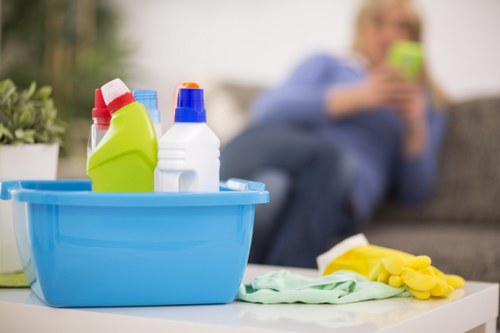 This policy applies to all carpet cleaning activities and should be reviewed regularly to ensure it remains effective, practical, and relevant. Management is responsible for providing resources, training, and oversight, while employees are responsible for following procedures and reporting concerns. A well-implemented carpet cleaning safety policy helps protect people, property, and equipment, while supporting dependable service and professional conduct. By making safety a daily priority, carpet cleaners can deliver work that is both effective and responsibly managed.